


Since Question 4 stated that we were created to glorify God, the present question focuses upon how we are to do that. Before we discuss the answer given, we ought to make certain that we properly understand the question itself. Glory and glorify are such commonly used words among Christians that the actual meaning can easily be lost. God’s glory is the radiance of God’s nature and character; it is the outward display of who He is. To glorify God, therefore, is to the join in that display, to give Him the honor and worship that fits His matchless nature and character.
With that in mind, note the answer before us: We glorify God by enjoying him, loving him, trusting him, and by obeying his will, commands, and law. Four verbs are given for us to consider (enjoy, love, trust, and obey); however, it might be beneficial to move through them in reverse.
Obedience might be what first comes to our minds whenever we think of glorifying God. After all, what would give Him more honor than having His will, commands, and law obeyed? That certainly is true. Obedience to God’s will, commands, and law is a visible declaration that God is worthy to be obeyed. The glory of an earthly king is reflected in his subjects’ readiness to follow his commands; how much more so with the King of kings, the Creator of heaven and earth? Indeed, obedience is fundamentally an act of submission to authority, which makes disobedience an act of treason against the Author of life. No one can claim to glorify God without actively seeking to obey Him. This is why I am beginning with obedience. Glorifying God must always entail more than mere obedience, but it can never be less. Jesus affirmed this necessity of obedience in the concluding verses of the Sermon on the Mount:
Everyone then who hears these words of mine and does them will be like a wise man who built his house on the rock. And the rain fell, and the floods came, and the winds blew and beat on that house, but it did not fall, because it had been founded on the rock. And everyone who hears these words of mine and does not do them will be like a foolish man who built his house on the sand. And the rain fell, and the floods came, and the winds blew and beat against that house, and it fell, and great was the fall of it.
Matthew 7:24–27
To glorify God, we must also trust Him. Trusting in God, of course, is a declaration of His trustworthiness and a proclamation of His faithfulness. Indeed, obedience without trust would indicate that we do not properly know God. As a father, I would grieve at my children’s suspicious distrust of me, even if they still obeyed what I told them to do. Such distrust would indicate that my children do not know or do not believe my affection and compassion for them. In the same way, our distrust of God is most fundamentally a failure to believe in His Fatherhood towards us.
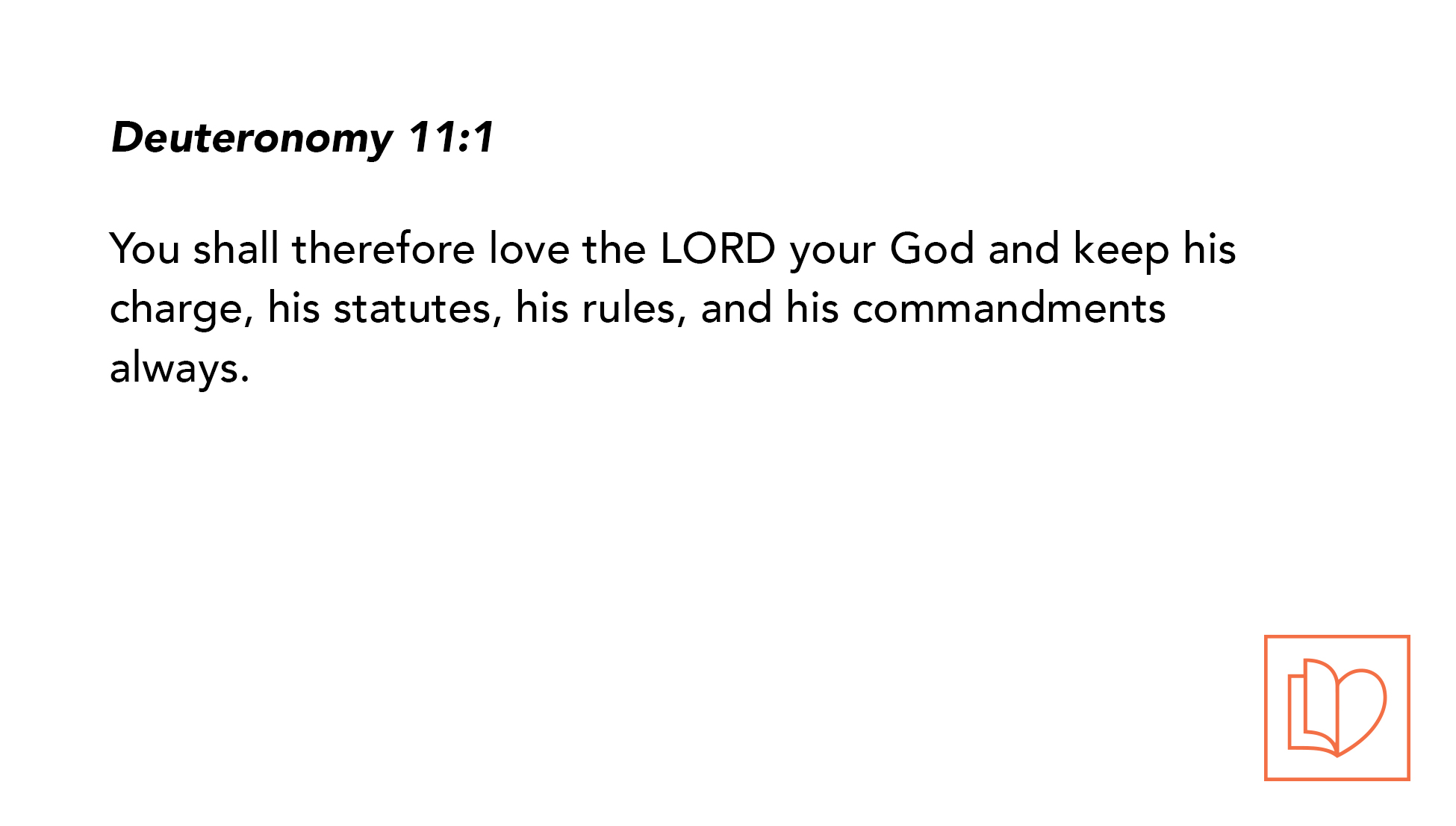
We also glorify God by loving Him. The call to love is most famously given in Deuteronomy 6:5, which Jesus Himself calls the greatest commandment: “You shall love the LORD your God with all your heart and with all your soul and with all your might.” It is right that we would love God with all of ourselves “because God is love” (1 John 4:8). He made us and sustains us by His steadfast love, and we reflect His loveliness by loving Him supremely in return. Notice also how Deuteronomy 11:1 ties love and obedience together.
Finally, we glorify God by enjoying Him. The first question of the Westminster Shorter Catechism famously puts these two together:
Q. What is the chief end of man?
A. Man’s chief end is to glorify God, and to enjoy Him forever.
Much of John Piper’s ministry has been the argument that God is most glorified in us by enjoying Him forever, and I certainly agree. As Lewis noted, praise naturally arises from delight. Indeed, our desire for God to be glorified can only stem from a vision of Him as the most-prized Treasure. Of course, devotion must often come before affection, but I do not honor my wife if only give her a joyless commitment. No, she is honored whenever my devotion to her overflows into affection for her. And it ought to be supremely so with God. There are certainly times when our devotion to God must override our pitiful and listless affections, yet by God’s grace, such devotion ought to eventually explode into an affectionate enjoyment of Joy Himself.
With all this said, one question remains: how will you glorify God today?
For read more resources related to the New City Catechism, including children’s songs, visit newcitycatechism.com or download the app.
 B. C. Newton