

It’s time once again to reflect on the past year, and as always, here is my list of my ten favorite books (or, eleven, since I always include an honorable mention).
This year was a little unusual for me. I read fewer books than normal, completing only twenty. But at the same time, this ended up being the year in which I read the most pages. That’s because I spent a great deal of time working through a few large books, several of which appear in this list. Volumes 2, 3, and 4 of Beeke and Smalley’s Reformed Systematic Theology and Tolstoy’s War and Peace were among the major works that filled my time.
It was a year of deep, slow reading rather than broad reading, which is perfectly fine. Some years are for sampling widely across genres and topics. Other years are for digging into a few great books and letting them shape you. This was one of the latter years.
With that, here is my top ten list.
1. War and Peace | Leo Tolstoy

This one easily takes the top spot. For a while, I was genuinely concerned it might dethrone The Lord of the Rings as my favorite novel of all time. As brilliant as Tolstoy is, I eventually realized it wouldn’t quite overtake Tolkien, simply because The Lord of the Rings is thoroughly Christian in its vision, whereas Tolstoy was not yet a believer when he wrote War and Peace. Still, the novel is monumental. Yes, there are slow portions in a book of that size, but overall it is astonishing. I’m already looking forward to revisiting it and spending time with those characters again.
2. Who Shall Ascend the Mountain of the Lord? | L. Michael Morales
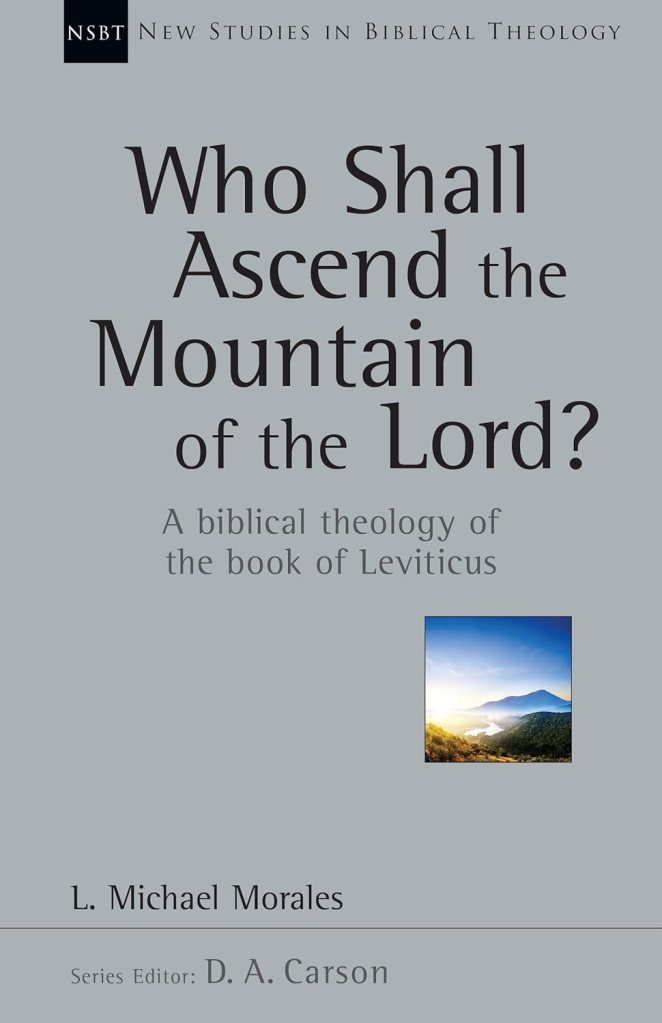
Before I began War and Peace, I assumed this would be my book of the year. Michael Morales’s biblical theology of Leviticus is outstanding. It’s more academic and requires effort, but ordinary Christians shouldn’t shy away from it. Just go in knowing you’ll need to concentrate. It is well worth it. His first chapter alone, situating Leviticus within the context of Genesis, is full of profound insights. If you’re a pastor or theologian of any kind, I can’t recommend this highly enough. You need this book in your library.
3. Song of Songs | Douglas Sean O’Donnell

This commentary from the Preaching the Word series was one my wife and I read together as I prepared to preach through the Song next year. While I’ve read O’Donnell before, this was the first of his books I’ve read from start to finish. It’s excellent—he strikes the right balance between treating the Song as the biblical, godly erotic poem that it is while still showing how it ultimately points to Christ. It’s short, engaging, and very helpful.
4. Andrew Bonar’s Commentary on Leviticus
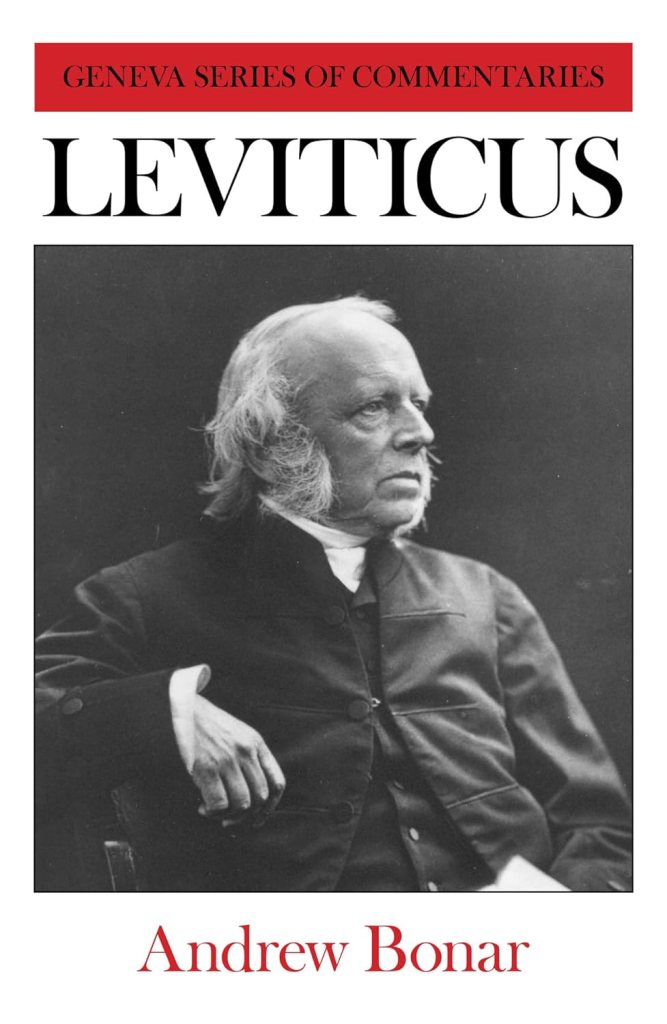
This was my first time reading Bonar, and his commentary was superb. It’s not as detailed as some others, but when Bonar offers an insight, it’s rich. My favorite was his connection between the man stoned for blasphemy in Leviticus and Christ Himself, who was accused of blasphemy for our sake. Beautifully done.
5. The Beatitudes | Thomas Watson

I spent time in the Beatitudes this year, and returning to Watson was a joy. He is one of my favorite Puritan writers, and this book reminded me why. It had been a couple of years since I last read him, and in those years his works frequently topped my “favorite books” lists. His reflections on the Beatitudes are rich, pastoral, and deeply edifying.
6. Paradise | Dante Alighieri
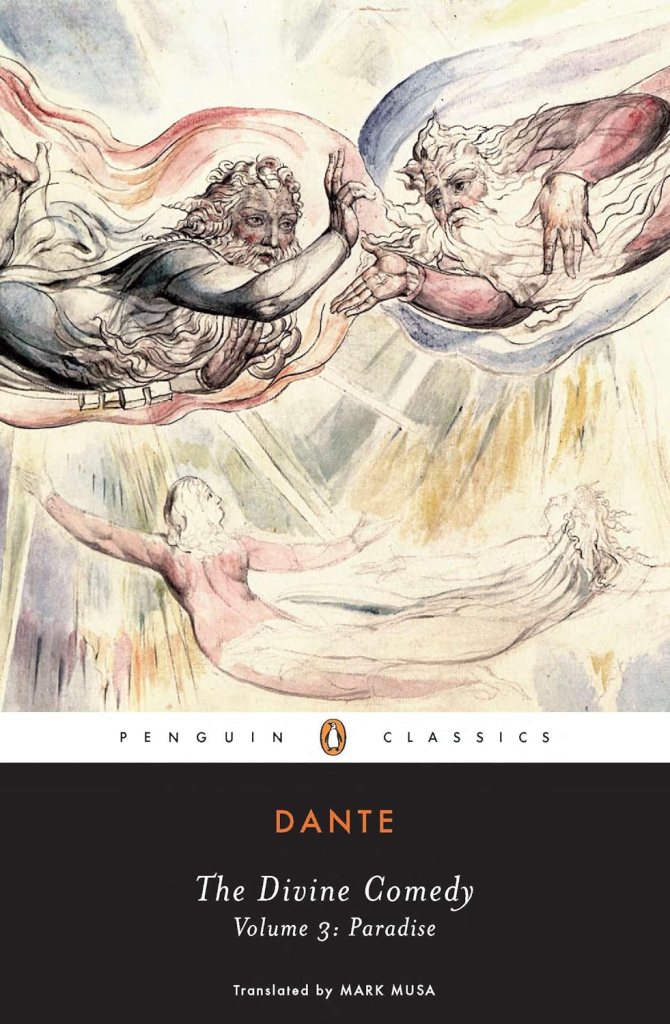
I loved The Divine Comedy. It’s not something I’ll revisit purely for entertainment the way I do with The Odyssey or The Aeneid, but it was a remarkable journey. People give most of the attention to Inferno. It was good and certainly deserving of being in the top ten, but it was also something of a slog. Purgatorio was better, and Paradiso was wonderful. Dante’s upward movement toward the beatific vision is beautifully portrayed.
7. Reformed Systematic Theology, Volume 4 | Beeke & Smalley

This year I read Volumes 2, 3, and 4, and all of them are outstanding. I chose Volume 4 in particular because of its focus on ecclesiology and eschatology—areas with many challenging and controversial topics. Beeke and Smalley handle them with clarity, conviction, and remarkable charity toward those who differ. One of my favorite features is the way they allow both authors’ perspectives to appear, such as Smalley (a Reformed Baptist) contributing a full chapter in the appendix on credobaptism, even though Beeke is a paedobaptist. It’s a tremendous series and belongs on every pastor’s shelf.
8. Faithful God | Sinclair Ferguson

As I preached through Ruth this year, Ferguson’s book was a delight. He’s always a joy to read, warm, clear, pastoral. Piper’s book on Ruth was also wonderful, but Ferguson’s stood out as my favorite on the book.
9. The Beatitudes for Today | John Blanchard
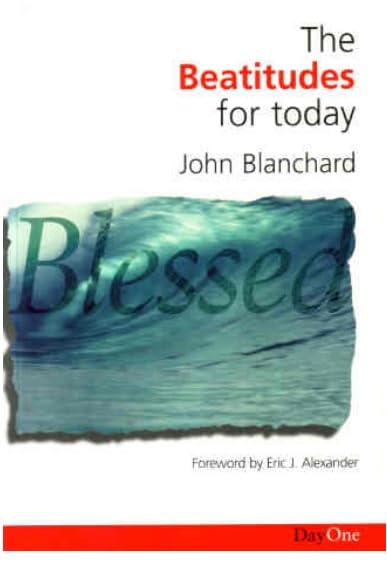
This one is strangely difficult to find, but worth tracking down. Blanchard does an excellent job helping Christians reflect deeply on the Beatitudes. Every believer should meditate on Jesus’s words here, and this book is a strong guide.
10. Leviticus (Zondervan Exegetical Commentary on the Old Testament) | Jay Sklar

This is the first year I’ve read volumes from the Zondervan Exegetical Commentary on the Old Testament series, and I loved it. Sklar’s commentary on Leviticus looks at the text deeply, dives unapologetically into the Hebrew, and offers clear explanations.
Honorable Mention: Ruth (ZECOT) | Daniel Block

Block’s volume pairs with Sklar’s as another excellent example of the series. I’ve already dipped into the Proverbs volume and look forward to more as they’re released. The newest volume is on Ecclesiastes, which I’m especially excited to read.
 B. C. Newton