

When it comes to our own eternal destinations, there is no question that is more important than this one. Of course, many previous questions are more foundational than this one, and it cannot properly be understood without them. Yet when it comes to each persons immortal soul and future resurrection to either life everlasting or eternal torment, this is the question. How can we be saved? How can we escape the horrors of God’s unending exacting of righteous judgment upon the wicked?
Only by faith in Jesus Christ and in his substitutionary death on the cross. The first word is crucial. Salvation is only found by faith in Jesus Christ. As Peter said to the Sanhedrin in Acts 4:11-12: “This Jesus is the stone that was rejected by you, the builders, which has become the cornerstone. And there is salvation in no one else, for there is no other name under heaven given among men by which we must be saved.” Or as Jesus said of Himself in John 14:6: “I am the way, and the truth, and the life. No one comes to the Father except through me.”
Again, if everything we have seen in the previous twenty-eight questions is true, how could it be otherwise? If our sin truly is against the most holy Creator of heaven and earth, who could redeem us except one who both God and man. Truly man that He may suffer as one of us and (more importantly) in our place. Truly God that He may pay the eternal debt that we owe to God. Only Jesus Christ is qualified to be our Redeemer, for He alone could die in our place, which is his substitutionary atoning death on the cross.
The rest of the answer rightly emphasizes that this salvation through faith in Christ is purely by the grace of God. First, it reminds us of our sinful condition: so even though we are guilty of having disobeyed God and are still inclined to all evil. Our guilt is real and must be acknowledged before the grace of God makes any sense to us at all. Each of us deserves the condemnation that Question 28 described, and even now our flesh is still inclined to do evil. Without God’s restraining hand upon non-believers and the indwelling Spirit in believers, we would each become nothing more than embodiments of sin. And it is in this state of sinfulness of heart that God has redeemed us through Christ. As Paul wrote in Romans 5:6-8:
For while we were still weak, at the right time Christ died for the ungodly. For one will scarcely die for a righteous person–though perhaps for a good person one would dare even to die–but God shows his love for us in that while we were still sinners, Christ died for us.
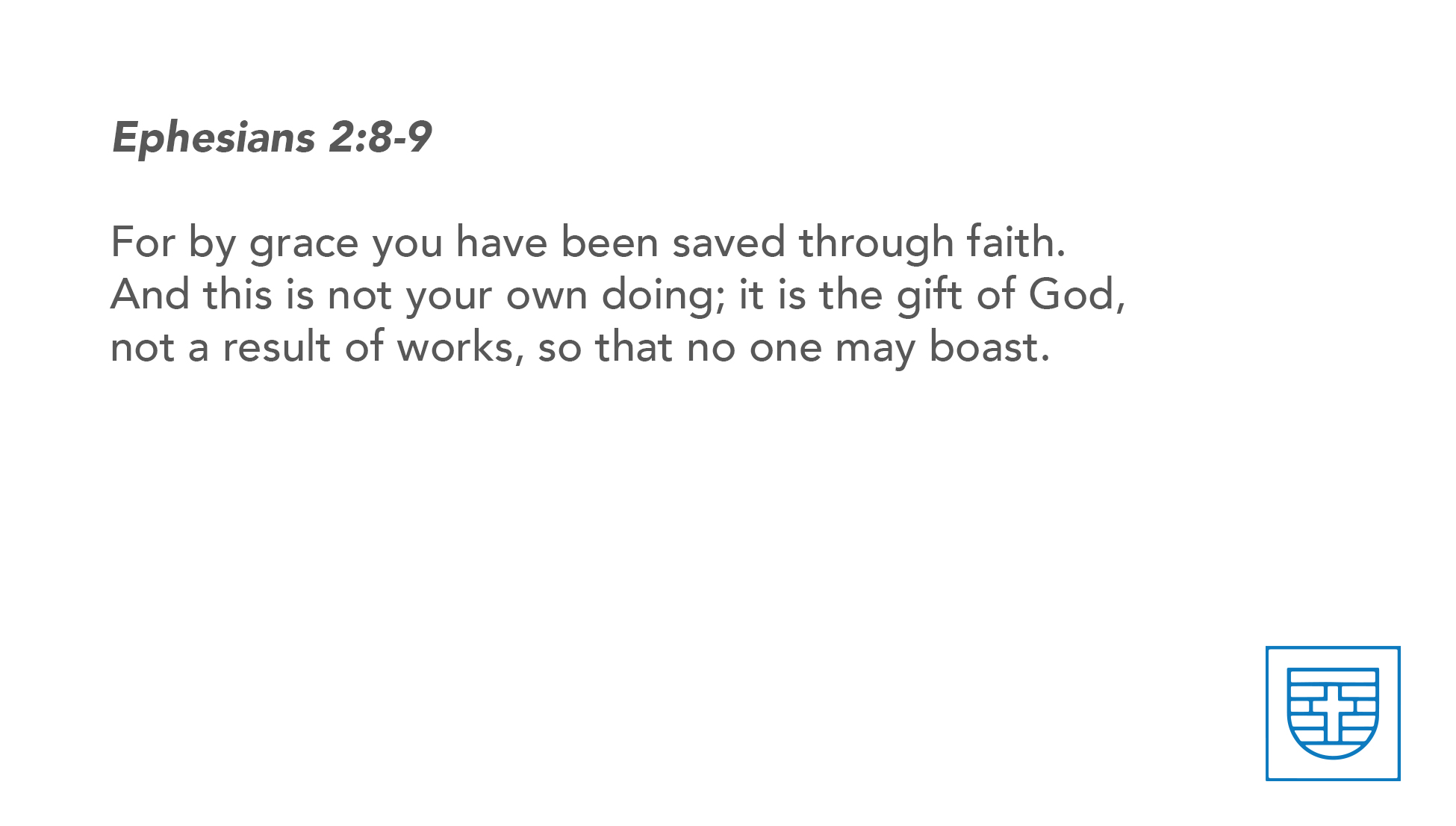
Or as the answers continues: nevertheless, God, without any merit of our own but only by pure grace, imputes to us the perfect righteousness of Christ when we repent and believe in Him. There is nothing in us to merit our salvation, for even good works are like filthy rags in God’s holy presence. Therefore, our salvation is purely of God’s grace. It is God’s gift. The penalty of our sins is paid by Christ, yet notice too that Christ’s own righteousness is imputed to us. The Scriptures frequently use the imagery of having our old, stained clothing removed and then given unstained, perfectly clean clothing instead. That is what Christ has done for us. He died the death we deserved to die and lived the life that we were designed to live. By His death, He took our judgment upon Himself and has placed His own righteousness upon us, so that we may now have restored fellowship with God.
Because this salvation is a gift of pure grace, we must only receive it by faith, repenting of our sins and believing in Christ. But that will be the subject of our next question.
 B. C. Newton